What to Do if You Get “Major Corrections” on Your Master’s Dissertation : Receiving feedback for “major corrections” on your Master’s dissertation can feel overwhelming, but it is actually a positive outcome. It means you have passed, but your dissertation requires substantial revisions (usually within 3–6 months, depending on your university) before final approval. This is not a failure, but an opportunity to polish your work to a higher academic standard.
At Projectsdeal.co.uk, we guide students through this phase with expert, human-written support, ensuring revisions are plagiarism-free, well-structured, and fully compliant with university standards.
What Does “Major Corrections” Mean?
When a university flags your dissertation for major corrections, it indicates your work has potential but requires significant improvements in areas such as:
- Research Design and Methodology: Weak or unclear research approaches
- Literature Review: Missing relevant studies or insufficient critical analysis
- Data Analysis & Interpretation: Errors in calculations or unclear conclusions
- Argumentation & Discussion: Gaps in logic or flow between chapters
- Formatting & Referencing: Non-compliance with university guidelines
Key fact: Most universities provide 1–3 months, sometimes up to 12 months, to complete these revisions. Major corrections are your chance to improve the dissertation and aim for higher grades.
Reasons for Major Corrections and How Projectsdeal.co.uk Solves Them
| Reason for Major Corrections | Explanation | How Projectsdeal.co.uk Helps |
|---|---|---|
| Weak Research Design / Methodology | The research approach is unclear, inappropriate, or not justified. | Our experts review your research design, suggest improvements, and provide methodological justifications aligned with university standards. |
| Insufficient Literature Review | Missing recent, relevant, or critically analyzed sources. | We update your literature review with current studies, remove irrelevant sources, and ensure critical analysis is included. |
| Poor Data Analysis or Interpretation | Errors in calculations, statistical tests, or qualitative analysis. | We assist with re-analysis of data using SPSS, NVivo, Excel, or other tools, and provide clear, accurate interpretation. |
| Argumentation / Discussion Gaps | Weak connection between results, research questions, and conclusions. | We help restructure discussion chapters, strengthen arguments, and clearly link results to research objectives. |
| Formatting & Referencing Errors | Non-compliance with university style guides (Harvard, APA, etc.). | Our team ensures all formatting, headings, tables, figures, and references follow your university’s guidelines. |
| Language and Clarity Issues | Poor grammar, unclear sentences, or inconsistent style. | Professional editing and proofreading to ensure clarity, academic tone, and consistency throughout the dissertation. |
| Missing or Incomplete Appendices / Data | Supporting documents or datasets not included or unclear. | We help organize appendices, supplementary data, and ensure all materials are properly referenced and presented. |
| Non-Adherence to Examiner Comments | Some points from the examiner’s report are ignored or inadequately addressed. | We create a detailed correction table mapping every comment to a specific action, ensuring nothing is missed. |
Immediate Action Plan

1. Take a Short Break
Receiving “major corrections” can be emotional. Allow yourself a few days to decompress. This helps you approach revisions calmly and methodically.
2. Review the Examiner Report Dispassionately
Avoid reacting emotionally at first. Reading the report carefully often reveals that the issues are manageable once broken down into steps.
3. Understand the Timeline
- Major corrections typically range from 3–6 months.
- Some universities allow up to 12 months, depending on the program.
- Planning early ensures timely and stress-free revisions.
4. Meet With Your Supervisor
Your supervisor can help you:
- Clarify examiner expectations
- Prioritize high-impact changes
- Avoid misunderstandings during revisions
✅ Ready to Tackle Your Major Corrections?
Feeling overwhelmed? Let Projectsdeal.co.uk guide you step-by-step to a polished, university-ready dissertation.
Step-by-Step Guide to Handling Major Corrections

Tackling major corrections doesn’t have to be overwhelming. By breaking the process into clear, actionable steps, you can stay organized, reduce stress, and increase your chances of submitting a high-quality dissertation.
Step 1: Carefully Review Feedback
- Read all examiner comments multiple times to fully understand the scope of revisions.
- Highlight sections that require significant changes, and make notes on potential solutions.
- Discuss unclear points with your supervisor to avoid misunderstandings.
- Pro tip: Create a quick summary of each comment in a notebook or spreadsheet to track them easily.
Step 2: Plan Your Revisions
- Break the corrections into manageable tasks instead of trying to tackle everything at once.
- Prioritize high-impact areas like methodology, data analysis, and argumentation, which influence your grade the most.
- Use Gantt charts or project management tools (Trello, Notion, Microsoft Planner) to schedule tasks and set deadlines.
- Pro tip: Allocate extra time for challenging sections to prevent last-minute stress.
Step 3: Strengthen Your Literature Review
- Update your review with recent, relevant studies to demonstrate a thorough understanding of your research area.
- Remove outdated, irrelevant, or redundant sources to keep your dissertation concise.
- Ensure critical analysis, not just a summary of studies—highlight gaps, contradictions, and how your research fills them.
- Pro tip: Use tools like Google Scholar alerts to find the latest research in your field.
Step 4: Refine Methodology and Data Analysis
- Re-examine your research design and methodology to ensure it matches your research questions.
- Correct any errors in data analysis, calculations, or charts.
- Consider alternative statistical or qualitative methods if your examiner suggests improvements.
- Use tools like SPSS, NVivo, Excel, or Python for accuracy and reliability.
- Pro tip: Include clear justifications for your methodological choices to avoid further queries from examiners.
Step 5: Improve Argumentation and Discussion
- Clearly link your findings back to your research questions and objectives.
- Address gaps, inconsistencies, or unexpected results openly and logically.
- Highlight limitations and practical or theoretical implications to show critical thinking.
- Pro tip: Use headings and subheadings to organize your discussion, making it easier to follow.
Step 6: Formatting and Referencing
- Follow your university’s style guide (Harvard, APA, or other) exactly.
- Use reference management tools like EndNote, Zotero, or Mendeley to ensure consistency.
- Check formatting for headings, tables, figures, and appendices.
- Pro tip: Create a checklist of all formatting requirements and tick them off systematically.
Step 7: Create a Correction Table
- Map each examiner comment to a specific action, including the page number where the change was made.
- This keeps revisions organized and allows supervisors and examiners to track your progress easily.
- Pro tip: Make the table visually clear with columns like “Comment,” “Action Taken,” and “Page Number.”
Step 8: Break Down the Work
- Divide your dissertation into chapters, sections, or even paragraphs to avoid feeling overwhelmed.
- Work on small, achievable goals daily to build momentum and confidence.
- Pro tip: Reward yourself after completing each section to stay motivated.
Step 9: Address Every Comment
- Do not ignore any feedback—even minor points matter.
- If you disagree with a comment, provide a clear, reasoned explanation supported by evidence.
- Pro tip: Cross-check your correction table before submission to ensure no comment is left unaddressed.
Step 10: Maintain Momentum
- Track daily progress to ensure you are on schedule.
- Use productivity apps like Trello, Notion, or Microsoft Planner to monitor completed tasks.
- Avoid burnout by including short breaks and rewards during revision sessions.
- Pro tip: Keep a visible checklist—checking off tasks visually boosts motivation and confidence.
✅ Let Projectsdeal.co.uk Guide You to Success
Feeling stuck or overwhelmed? Don’t worry—Projectsdeal.co.uk has your back. Our expert team provides:
- Step-by-step guidance to organize and execute corrections efficiently
- Correction mapping linking each examiner comment to actionable steps
- Human-written, plagiarism-free revisions—no AI used! Every word is crafted by experienced academics
- Support for literature updates, methodology improvements, and data analysis
How Common Are Major Corrections and Success Ratios
Did you know that approximately 40–50% of Master’s students receive major corrections on their dissertations? This is a common part of the academic process, and it does not mean failure. Many students simply need to refine their work to meet university standards.
At Projectsdeal.co.uk, we have helped hundreds of students navigate major corrections successfully. Our success ratio statistics reflect the impact of expert guidance:
| Metric | Percentage / Ratio |
|---|---|
| Students who receive major corrections | 40–50% |
| Students who improve grades after revisions with Projectsdeal.co.uk | 70–90% |
| Students who submit fully plagiarism-free dissertations | 100% |
| Students satisfied with guidance and correction support | 95% |
Key Insight: Major corrections are not a rare occurrence, but with proper planning, professional guidance, and structured revisions, the majority of students achieve high grades after resubmission.
By following our step-by-step approach and using our support, students can turn a stressful “major corrections” notice into an opportunity for academic excellence.
Common Types of Major Corrections
Receiving major corrections often involves one or more of the following issues. Understanding each type helps you approach revisions strategically and avoid repeating mistakes.
1. Substantial Rewriting
- What it means: Chapters or sections may need complete reorganization to improve clarity, logical flow, and focus.
- Why it happens: Examiners may find your arguments disjointed, repetitive, or hard to follow.
- How to fix it:
- Outline each chapter and check for logical progression of ideas.
- Combine related sections and remove redundant content.
- Ensure each paragraph contributes to your main argument.
- Pro tip: Use headings, subheadings, and transitional sentences to guide the reader smoothly through your dissertation.
2. Literature Review Gaps
- What it means: Your literature review may lack recent, relevant, or critically analyzed sources.
- Why it happens: Students sometimes include only older references or fail to connect the literature to their research question.
- How to fix it:
- Add recent studies (last 3–5 years) to demonstrate awareness of current research.
- Critically analyze sources—don’t just summarize; compare, contrast, and highlight gaps.
- Link each piece of literature to your research objectives to show relevance.
- Pro tip: Use Google Scholar alerts or databases like Scopus and Web of Science to find up-to-date studies in your field.
3. Methodological Clarifications
- What it means: Your research methods may need justification, clarification, or improvement.
- Why it happens: Examiners may question your choice of methods, sample size, or data collection approach.
- How to fix it:
- Explain why you chose your methodology and how it suits your research questions.
- If needed, re-analyze data using more robust techniques.
- Include any ethical considerations and limitations of your methods.
- Pro tip: Add visual aids like flowcharts or diagrams to clearly explain complex methodology steps.
4. Data Interpretation
- What it means: Your analysis may need re-evaluation, or results may require clearer explanation.
- Why it happens: Students sometimes misinterpret data, present raw results without context, or fail to link results to objectives.
- How to fix it:
- Re-analyze data carefully using tools like SPSS, Excel, NVivo, or Python.
- Highlight key findings and explain their implications in relation to your research questions.
- Discuss unexpected results honestly and critically.
- Pro tip: Include tables, graphs, or charts to make results easy to interpret for examiners.
5. Presentation & Formatting
- What it means: Your dissertation may not fully comply with university guidelines.
- Why it happens: Errors in headings, margins, fonts, tables, figures, or referencing styles are common.
- How to fix it:
- Follow the university’s dissertation template strictly.
- Ensure consistent formatting for tables, figures, headings, and captions.
- Double-check referencing style (Harvard, APA, etc.) for consistency and accuracy.
- Pro tip: Create a formatting checklist and tick off items as you revise to avoid missing anything.
Extra Tip: Often, major corrections involve a combination of these areas, so addressing each systematically will greatly increase your chances of submitting a high-quality dissertation.
For professional guidance and human-written, plagiarism-free revisions for all types of major corrections, visit Projectsdeal.co.uk. Our experts provide step-by-step support, correction mapping, literature updates, methodology guidance, and more to ensure your dissertation meets university standards.
Tools and Techniques for Efficient Revisions
When tackling major corrections, having the right tools can save time, reduce errors, and ensure your dissertation meets university standards. Here’s a detailed look at the most effective tools and techniques:
1. Gantt Charts – Plan and Visualize Deadlines
- What it does: Gantt charts allow you to map out each task, set deadlines, and visualize dependencies between different sections of your dissertation.
- Why it helps: Breaking the work into smaller, scheduled tasks prevents procrastination and ensures you meet your resubmission deadline.
- Pro tip: Use software like Microsoft Project, Trello, or Notion to create dynamic charts that track daily progress.
2. Reference Management Software – EndNote, Zotero, Mendeley
- What it does: Helps you collect, organize, and cite references automatically.
- Why it helps: Ensures consistency in referencing style (Harvard, APA, or others), saving time and avoiding errors.
- Pro tip: Use tagging or folders to separate literature by chapter or theme for easier integration into your dissertation.
3. Data Analysis Tools – SPSS, NVivo, Excel, Python, R
- What it does: Provides accurate statistical, qualitative, and quantitative data analysis.
- Why it helps: Correct and well-analyzed data strengthens your arguments and addresses examiner concerns.
- Pro tip: Choose the tool that fits your methodology: SPSS for statistical analysis, NVivo for qualitative coding, Excel or Python for advanced calculations.
4. Document Version Control
- What it does: Helps you save multiple versions of your dissertation as you revise.
- Why it helps: Prevents accidental loss of work and allows you to track changes over time.
- Pro tip: Name files clearly (e.g., “Chapter3_LitReview_v2”) and back up on cloud storage like Google Drive or Dropbox.
5. AI Tools (Guided Use)
- What it does: AI tools like Grammarly, Hemingway, or QuillBot can assist with grammar, sentence structure, readability, and summarizing literature.
- Why it helps: Speeds up minor corrections, reduces language errors, and enhances clarity.
- Important: Universities like AI University emphasize that AI cannot replace human academic judgment. All AI suggestions should be carefully reviewed and edited by you or an expert.
Why Projectsdeal.co.uk Stands Out
While these tools are helpful, many students struggle to use them effectively, especially under time pressure. Projectsdeal.co.uk goes beyond simple tool guidance:
- Expert Oversight: Our team of experienced dissertation specialists ensures that all revisions are methodologically correct, academically sound, and university-compliant.
- Customized Workflow: We combine the best tools with structured human guidance, creating Gantt charts, correction tables, and step-by-step plans tailored to your dissertation.
- Plagiarism-Free Work: Every revision is human-written; AI tools are only used under careful supervision to enhance efficiency without violating academic standards.
- Efficiency & Accuracy: By integrating proper tools with our expertise, students save time, reduce stress, and achieve higher grades.
Key Insight: Tools alone aren’t enough—success comes from strategic use of tools combined with expert guidance, which is exactly what Projectsdeal.co.uk provides.
Common Mistakes to Avoid During Major Corrections
Even small missteps can delay your resubmission or affect the quality of your dissertation. Being aware of these common pitfalls can save time, stress, and effort:
- Ignoring Minor Comments
- Every point in the examiner’s feedback matters. Even minor issues like formatting, sentence clarity, or reference errors can influence your final grade.
- Tip: Address all comments systematically in a correction table to ensure nothing is missed.
- Leaving Revisions Until the Last Minute
- Procrastination increases stress and may force you to rush sections, leading to errors.
- Tip: Break tasks into daily or weekly goals, and start revisions immediately after receiving feedback.
- Over-Relying on AI Tools
- While AI tools can help with grammar, summarization, or readability, universities like AI University emphasize human oversight for academic judgment.
- Tip: Always review AI suggestions critically, and ensure your revisions reflect original thought and academic rigor.
- Failing to Maintain Version Backups
- Losing your work can be catastrophic, especially close to deadlines.
- Tip: Save multiple versions of your dissertation on cloud platforms like Google Drive, Dropbox, or OneDrive.
- Not Clarifying Vague Feedback with Your Supervisor
- Misunderstanding examiner comments can lead to unnecessary revisions or omissions.
- Tip: Schedule a discussion with your supervisor to clarify ambiguous feedback before starting revisions.
How Projectsdeal.co.uk Supports Students During Major Corrections
At Projectsdeal.co.uk, we understand the pressure and complexity of revising dissertations after receiving major corrections. Our services are designed to make the process efficient, stress-free, and academically sound.
| Service | What We Do | Benefit to You |
|---|---|---|
| Correction Mapping | Create detailed tables linking every examiner comment to specific revisions. | Ensures no comment is ignored and demonstrates accountability to examiners. |
| Editing & Proofreading | Improve clarity, grammar, flow, and academic style throughout your dissertation. | Enhances readability and aligns your work with university standards. |
| Research Support | Update literature, refine methodology, re-analyze data, and strengthen discussions. | Ensures your dissertation meets current academic standards and examiner expectations. |
| Plagiarism-Free Revisions | 100% human-written content; AI tools used only under strict supervision. | Guarantees originality and adherence to academic integrity policies. |
| AI University Guidelines Compliance | Combine AI efficiency with expert human oversight. | Maximizes productivity while ensuring revisions are academically robust. |
| High Success Ratio | Most students improve their grades by 70–90% after using our support. | Boosts confidence and increases the likelihood of top-grade approval. |
Additional Benefits of Working with Projectsdeal.co.uk:
- Personalized Guidance: Tailored advice for your specific dissertation and university requirements.
- Time Management Support: Structured plans, Gantt charts, and timelines to meet deadlines efficiently.
- Stress Reduction: Step-by-step assistance removes uncertainty and builds confidence.
- Final Submission Readiness: Ensures your dissertation is polished, compliant, and ready for resubmission.
Key Insight: Many students struggle because they either underestimate the importance of minor comments or try to handle revisions alone under time pressure. With Projectsdeal.co.uk, you get a full support system that addresses every correction, boosts grades, and ensures your dissertation meets the highest academic standards.
Tips for Staying Stress-Free During Major Corrections
Revising a dissertation after receiving major corrections can be stressful, but with the right approach, you can stay focused, organized, and confident. Here are some actionable tips to help you manage your time, workload, and stress effectively:
1. Set Realistic Daily Goals
- Break your overall revision tasks into small, achievable daily objectives instead of trying to do everything at once.
- Example: Instead of rewriting an entire chapter in one day, aim to revise 2–3 sections or 500–700 words.
- Why it helps: Achievable goals reduce overwhelm, give you a sense of accomplishment, and keep your progress steady.
- Pro tip: Use a checklist or planner to tick off completed tasks—seeing progress motivates you to keep going.
2. Break Tasks into Manageable Chunks
- Divide your dissertation into chapters, sections, or even paragraphs, and tackle them one at a time.
- Use tools like Gantt charts, Trello, or Notion to visualize deadlines and dependencies.
- Why it helps: Working on smaller chunks prevents burnout and makes large, complex revisions feel more achievable.
- Pro tip: Schedule more challenging sections when you’re most alert and focused (e.g., morning or early afternoon).
3. Seek Expert Guidance When Unsure
- Don’t hesitate to ask your supervisor, academic advisor, or a professional dissertation support service for clarification on vague comments.
- Why it helps: Guidance ensures you address feedback correctly the first time, avoiding unnecessary rework.
- Pro tip: At Projectsdeal.co.uk, our experts provide step-by-step advice for every comment, helping you revise confidently and efficiently.
4. Keep Multiple Backups of All Drafts
- Always save multiple versions of your dissertation using cloud storage (Google Drive, Dropbox, OneDrive) and local backups.
- Why it helps: Prevents accidental data loss and allows you to compare versions to track improvements.
- Pro tip: Use clear file naming conventions like
Chapter2_Methodology_v3to make version tracking easier.
5. Reward Yourself After Completing Sections
- Celebrate small victories when you complete a section or finish a set of revisions.
- Examples: Take a short walk, enjoy a coffee break, or spend time on a hobby.
- Why it helps: Rewards boost motivation, reduce stress, and create positive reinforcement for consistent progress.
- Pro tip: Pair rewards with milestones in your Gantt chart or correction table for a tangible sense of achievement.
Bonus Tips for Stress-Free Revisions
- Stay hydrated, eat well, and get enough sleep—physical well-being directly impacts focus and productivity.
- Use mindfulness or short meditation exercises to stay calm during long revision sessions.
- Avoid comparing your progress with others—focus on your own plan and goals.
- Keep a revision journal to track your progress, challenges, and reflections; it can help you stay organized and motivated.
✅ Key Insight: Staying stress-free is all about planning, pacing, and self-care. By combining structured workflows with regular breaks, expert guidance, and small rewards, you can tackle major corrections efficiently and confidently—turning a stressful experience into a successful outcome.
Real Student Experience: Passed with Major Corrections
Receiving major corrections can be an emotional rollercoaster. Here’s an example from a student who went through it:
“I’ve just had my viva that lasted 5 hours and they ripped my thesis to shreds. I genuinely thought they were going to ask me to re-do everything or fail me outright. They passed me with major corrections and resubmission of my thesis with no need for re-examination. I’m happy that I passed, don’t get me wrong, but I still feel like I failed today. I’ve got 6 months to do the corrections and resubmit. I’ve got no one to celebrate with, and maybe that’s why I feel a bit deflated about it all.”
What We Can Learn from This
- Major corrections are common: Even if the viva feels brutal, passing with major corrections is a positive outcome, not a failure.
- Time to revise: Most students receive 3–6 months, sometimes longer, to complete corrections—ample time if you plan carefully.
- Emotional impact matters: It’s normal to feel deflated or unsure, especially if you expected a straight pass.
- You are not alone: Many students experience the same mix of relief and disappointment. Support, guidance, and planning can make the revision process much smoother.
How Projectsdeal.co.uk Helps in This Situation
- Step-by-Step Support: Breaks down overwhelming feedback into manageable tasks.
- Guidance & Motivation: Helps students regain confidence and focus during the revision process.
- Correction Mapping & Editing: Ensures all comments are addressed, avoiding repeated stress.
- Time Management: Plans the six months efficiently, so students feel in control and supported.
Key Insight: Passing with major corrections is a success, not a failure. With the right guidance and structured approach, the revision period becomes an opportunity to polish your dissertation and achieve top grades.
What Should Someone Do if They Are Given Major Corrections in a PhD Thesis, but Feel Overwhelmed?
It’s not uncommon for PhD candidates to feel exhausted, drained, or unmotivated after receiving major corrections. You might be thinking:
“I’ve been working on this for years—how can I possibly tackle all these revisions? I just don’t have the energy.”
If this sounds familiar, you are not alone, and there are practical steps to regain control and make the process manageable:
- Acknowledge Your Feelings
- Feeling overwhelmed, stressed, or even defeated is completely normal.
- Give yourself permission to take a short mental break before diving into revisions.
- Divide and Conquer
- Break your thesis into small, actionable tasks—one chapter, section, or even paragraph at a time.
- Tackling smaller portions reduces mental strain and prevents burnout.
- Prioritize Wisely
- Identify critical corrections first, such as methodology, data analysis, or argumentation.
- Minor formatting or grammar can be addressed later.
- Seek Support
- Don’t struggle in isolation—talk to your supervisor, peers, or a professional service like Projectsdeal.co.uk.
- Expert guidance can clarify examiner comments, reduce confusion, and give you a clear action plan.
- Use Tools to Reduce Load
- Gantt charts for planning, reference managers for literature, and version control for backups can make tasks feel manageable.
- AI tools like Grammarly or Hemingway can save time on minor corrections, but human oversight is essential.
- Focus on Small Wins
- Complete a section, update a table, or revise one chapter per day.
- Celebrate each small achievement—it helps rebuild energy and confidence.
- Look After Yourself
- Sleep, nutrition, short breaks, and mindfulness exercises are critical for mental clarity.
- Managing stress is just as important as managing content.
Key Takeaway: Feeling exhausted or overwhelmed after receiving major corrections is normal, especially for PhD students. By breaking work into manageable steps, seeking support, and using tools efficiently, you can tackle your revisions systematically and confidently.
Projectsdeal.co.uk specializes in helping students in this situation: we provide step-by-step guidance, correction mapping, research support, and editing services to make even the most overwhelming revisions achievable.
Understanding the University Perspective on Major Corrections
Universities implement major corrections not as a punishment, but as a structured step to ensure that dissertations meet high academic standards. Understanding their approach can help you respond more effectively and reduce stress.
Why Universities Give Major Corrections
- Quality Assurance
- Universities aim to maintain rigorous academic standards. Major corrections ensure your research is clear, methodologically sound, and thoroughly argued.
- Opportunity to Improve
- Major corrections are not a failure. They give students the chance to refine arguments, strengthen analysis, and polish writing before final approval.
- Structured Feedback
- Examiners provide detailed reports, highlighting areas needing improvement such as literature gaps, methodological issues, or data interpretation.
- Compliance with Guidelines
- Universities ensure your dissertation follows internal policies, formatting rules, and referencing standards, which helps maintain academic integrity.
Typical University Process
- Report & Timeline: Most institutions give 3–6 months (sometimes up to 12) for revisions.
- Correction Table (Recommended): Some universities suggest creating a mapping table linking feedback to revisions.
- Resubmission & Review: After resubmission, your dissertation is reviewed—sometimes by the same examiners, occasionally with a second viva if required.
How Understanding This Helps Students
- Knowing why the university requests major corrections reduces anxiety and frames the process as an opportunity, not punishment.
- Understanding the timeline and expectations allows for structured planning, increasing the likelihood of a successful resubmission.
How Projectsdeal.co.uk Aligns with University Standards
- University-Compliant Revisions: All edits are done in line with institutional guidelines.
- Correction Mapping: Ensures each examiner comment is addressed clearly, matching the university’s expectations.
- Methodology & Literature Updates: Refinements meet academic rigor required by universities.
- Plagiarism-Free Work: Guarantees integrity, fully compliant with university policies.
Key Insight: Universities provide major corrections to ensure high-quality, academically robust dissertations. With proper guidance, structured revisions, and expert support from Projectsdeal.co.uk, students can meet university standards confidently and efficiently.
🔍 How Major Corrections Are Handled at Different Universities
| University | Major Corrections Timeline | Second Viva Required? | Key Notes |
|---|---|---|---|
| University of Oxford | Typically 6 months (extensions up to 3 months in exceptional cases) to complete and submit major corrections. | Can be required with or without a second viva. | Examiners send a detailed report; corrections reviewed by both internal and external examiners. |
| University of Cambridge | 6 months for doctoral major corrections. | Not normally required unless specified. | Timeframe starts from the formal outcome notification email. |
| University of Sussex | 6 months (full‑time) or 12 months (part‑time). | Second viva is rarely required for major corrections. | Major corrections may also include structural changes, new material or extra data analysis. |
| University of Edinburgh | Up to 6 months, exceptional extension up to 12 months. | Generally no second viva for major corrections. | Requires payment of matriculation fees during correction period. |
| University of Birmingham | ~6 months (extension possible). | Not typically required. | Email confirming examination outcomes clearly states deadlines. |
| University of Warwick | Up to 6 months for major corrections. | No separate viva unless recommended. | Larger revisions or resubmission are a separate category. |
📌 Notes on University Policies
- Most UK universities provide around 6 months to complete major corrections.
- Some institutions allow exceptional extensions, often up to 12 months for part‑time or special circumstances.
- A second viva is not always compulsory. Universities like Oxford may recommend one, but many major corrections are reviewed by written submission only.
- Timeframes begin from the official confirmation of examination results, not the viva date.
Frequently Asked Questions (FAQs) About Major Corrections
1. How many people get major corrections?
A significant number of students receive major corrections after their viva. Estimates vary, but around 20–40% of postgraduate students may be asked to make major revisions before final approval, depending on the university and discipline.
2. What happens if I fail my master’s dissertation?
If a dissertation fails, universities may allow a resubmission within a defined period or recommend alternative outcomes, depending on the institution. Failing is not common if you have engaged with feedback during the course, but failing outright usually results in a lower degree classification or the need to repeat the module or year.
3. Can thesis corrections be rejected?
Yes, examiners can reject thesis corrections if they are not addressed properly or fail to meet the required academic standards. That’s why it’s crucial to map each comment to revisions and ensure corrections are thorough, well-structured, and compliant with university guidelines.
4. Can AI edit my dissertation?
AI can help with grammar, sentence structure, summarizing literature, and readability, but human oversight is essential. Universities like AI University require that revisions reflect original thought and academic judgment, so AI cannot replace a proper academic review.
5. What is the dropout rate for PhDs?
PhD dropout rates vary by country and discipline but are generally between 20–30% globally. Common reasons include stress, lack of support, personal issues, or difficulty completing research. Receiving major corrections is not a sign of failure, but structured support can reduce the risk of dropping out.
6. What does pass with major corrections mean?
“Pass with major corrections” means your thesis has met the required standards, but substantial revisions are needed before the degree can be awarded. You are not failing; instead, you have an opportunity to polish and improve your dissertation.
7. Can you resit a master’s dissertation?
Yes, if your dissertation fails or does not meet required standards after major corrections, most universities allow resubmission within a specified period. Policies vary, so always check your university’s rules.
8. What is the 3-paper rule?
The “3-paper rule” typically refers to PhD or research degree formats where students are required to submit three publishable-quality papers as part of their thesis. This is more common in scientific or STEM disciplines rather than traditional dissertations.
9. Is 40% a pass in masters?
In the UK, 40% is generally the minimum pass mark for a Master’s-level course. Anything below 40% is usually a fail, and additional work may be required to meet the academic standard.
10. How to correct a master’s thesis?
Correcting a thesis involves:
- Reading the examiner’s report carefully.
- Creating a correction table mapping comments to revisions.
- Updating literature, methodology, data, and arguments.
- Editing for clarity, formatting, and referencing.
- Submitting revisions within the university’s timeline.
11. Is 80% on a dissertation good?
Yes, 80% is an excellent grade at the Master’s level. It usually corresponds to a Distinction, indicating high-quality research, analysis, and presentation.
12. What is the difference between minor and major corrections?
- Minor corrections: Small edits, formatting changes, clarification of arguments, or minor adjustments in data presentation. Usually completed within a few weeks.
- Major corrections: Substantial revisions such as restructuring chapters, reanalyzing data, or rewriting sections. Typically requires 3–6 months to complete.
Conclusion
Receiving major corrections on your Master’s or PhD dissertation can feel overwhelming, stressful, and even disheartening. However, it is important to remember that major corrections are not a failure—they are an opportunity to refine, strengthen, and polish your research to meet the high academic standards expected by universities.
With careful planning, structured workflows, and the right support, you can tackle major corrections efficiently:
- Break tasks into manageable chunks.
- Prioritize high-impact revisions first.
- Use tools like Gantt charts, reference managers, and correction tables to stay organized.
- Seek guidance from supervisors, peers, or professional support services.
- Maintain your well-being by setting realistic goals, taking breaks, and celebrating progress.
Universities across the UK—including Oxford, Cambridge, Sussex, Edinburgh, Birmingham, and Warwick—follow structured processes for major corrections, emphasizing quality, compliance with guidelines, and academic rigor. Understanding these policies helps you navigate the revision process confidently and effectively.
At Projectsdeal.co.uk, we specialize in guiding students through this challenging yet manageable phase:
- Correction Mapping: Detailed tables linking examiner comments to specific revisions.
- Editing & Proofreading: Human-written, plagiarism-free, university-compliant improvements.
- Research Support: Literature updates, methodology refinement, and data analysis.
- Stress Reduction: Step-by-step guidance, timelines, and expert advice to restore confidence.
✅ Key Takeaway: Major corrections are a step toward success, not a setback. With structured planning, expert guidance, and determination, you can transform your dissertation into a polished, high-quality piece of research ready for final submission.
If you’ve received major corrections, don’t panic. Let Projectsdeal.co.uk help you navigate the process efficiently and confidently. Our team ensures your revisions are thorough, compliant, and designed to maximize your grades.
Take the first step today—turn your “major corrections” into an opportunity for academic excellence!
:
🚀 Transform Your Dissertation with Projectsdeal.co.uk
Feeling overwhelmed by major corrections? Don’t panic—Projectsdeal.co.uk is your trusted partner to turn feedback into a polished, submission-ready dissertation. We guide you step-by-step, ensuring clarity, accuracy, and confidence in every revision.
Why Students Trust Projectsdeal.co.uk
- Trusted Since 2001: Two decades of helping students succeed across the UK and worldwide.
- Guaranteed Grades: Our expert support increases your chances of top marks.
- Step-by-Step Guidance: From mapping examiner comments to final proofreading, we manage the process for you.
- Plagiarism-Free & University-Compliant: Every revision follows your university’s strict guidelines.
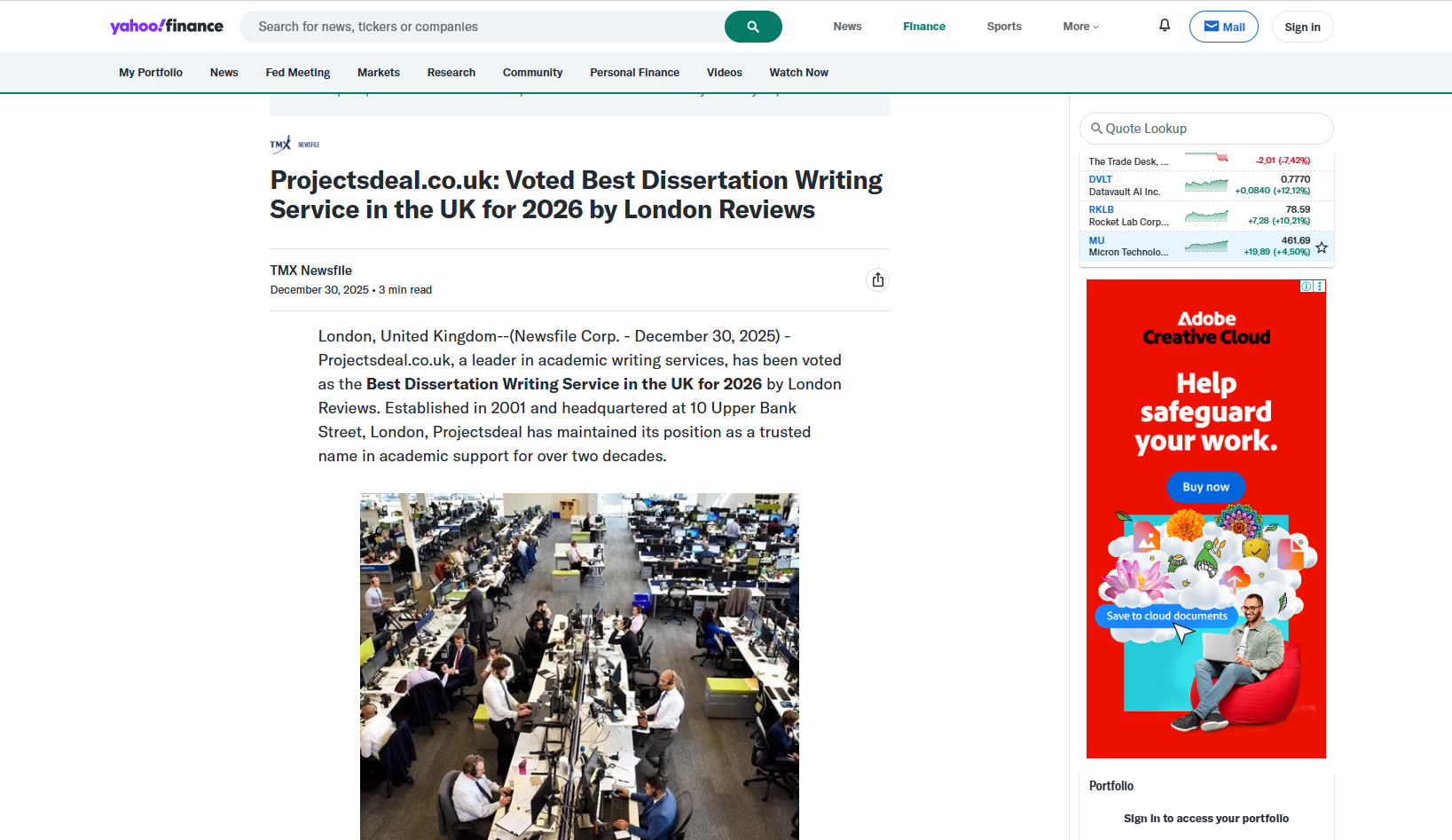
Award-Winning & Trusted: Recognized as the best UK assignment help provider by finance.yahoo.com — a seal of excellence you can rely on (Read More)
100% Human-Written – No AI Used! ✅
At Projectsdeal.co.uk, we don’t just revise dissertations—we craft every word, every correction, every insight personally. Unlike other services, we never rely on AI to do your work. Every revision is handled by experienced human academic experts, ensuring your dissertation is:
- Authentic – reflects your voice and research
- High-Quality – methodologically sound and university-compliant
- Original – 100% plagiarism-free and trustworthy
Take control of your dissertation today. With Projectsdeal.co.uk, your major corrections aren’t a hurdle—they’re your pathway to top grades and academic success.